Garage Door Panel Replacement in Greater Cleveland, OH
A dented or cracked panel does not always mean a new door, and it does not always mean a clean single-panel fix either. We will look at your door, give you a straight read on which option actually makes sense, and handle it from there.
Get a Free Estimate
Same-Day Service
Free Estimates
Locally Owned
24/7 Emergency
What Garage Door Panel Replacement Covers
A damaged panel usually comes from something specific: a backed-into door, a wind-thrown branch, a stray baseball, or just years of weather working on an older steel section. We start by looking at the actual damage up close, not just guessing from a photo or a phone description. Some dents are cosmetic and can be smoothed or left alone. Others have bent the panel out of true, cracked the seams, or thrown off how the door tracks and seals.
Matching and Installing the Right Section
If replacement is the right call, we measure the section carefully and check it against your door’s manufacturer, model, color, and insulation type. Garage doors are built in matched sections, so a panel that is even slightly off in texture or insulation value will stand out, and in some cases will not seat or seal correctly at all. Once we have the right match, the swap itself usually takes one to two hours. We remove the damaged section, install the new one, check the hinges and rollers around it, and run the door through several full cycles to confirm it opens, closes, and seals the way it should.
We also inspect the surrounding hardware while the door is open. Impact damage that is hard enough to crack or warp a panel often stresses the hinges, rollers, or track nearby, and it is worth catching that early rather than coming back for a second visit.
Some dents are purely cosmetic. Others have bent the panel out of true. We look closely before recommending anything.
One Panel or the Whole Door? Here Is How We Help You Decide
This is the part of the job where most companies will just sell you a panel, because that is the faster sale. We would rather walk you through the actual decision, because sometimes “just replace the one panel” is not the clean fix it sounds like.
Garage doors are built in sections that are supposed to match exactly: same manufacturer, same style, same color, same insulation value. If your door is a common, current model and the damage is recent, sourcing a matching panel is usually straightforward and a single-panel swap is the obvious move. It costs less, takes less time, and gets your door back to normal fast.
The catch is older or discontinued doors. Manufacturers update their lines, retire colors, and change panel profiles over the years. If your door is a decade or more old, or came from a builder-grade line that is no longer made, finding an exact match can turn into real work, and sometimes it simply is not possible. A panel that is close but not quite right in color, texture, or insulation will be visible every time you pull into the driveway, and chasing a perfect match can cost more in time and money than it is worth.
Decision tip: Before you commit to a single-panel order, ask whoever you are talking to whether your door’s exact style and color are still in production. If the honest answer is “we are not sure” or “we will have to special-order it and see,” that uncertainty is worth weighing against the cost of doing the whole door at once.
That is the point where we will tell you straight: replacing one panel may not be the smart move, and putting that money toward a full new door might get you a better result for close to the same cost once you account for the hunt for a matching part. We are not going to push you toward the bigger job to make a bigger sale. We are going to tell you what we would do if it were our own garage. Most panel damage is cosmetic or structural rather than urgent, so unlike a broken spring or a door stuck off its track, there is usually time to get this decision right rather than rushed.
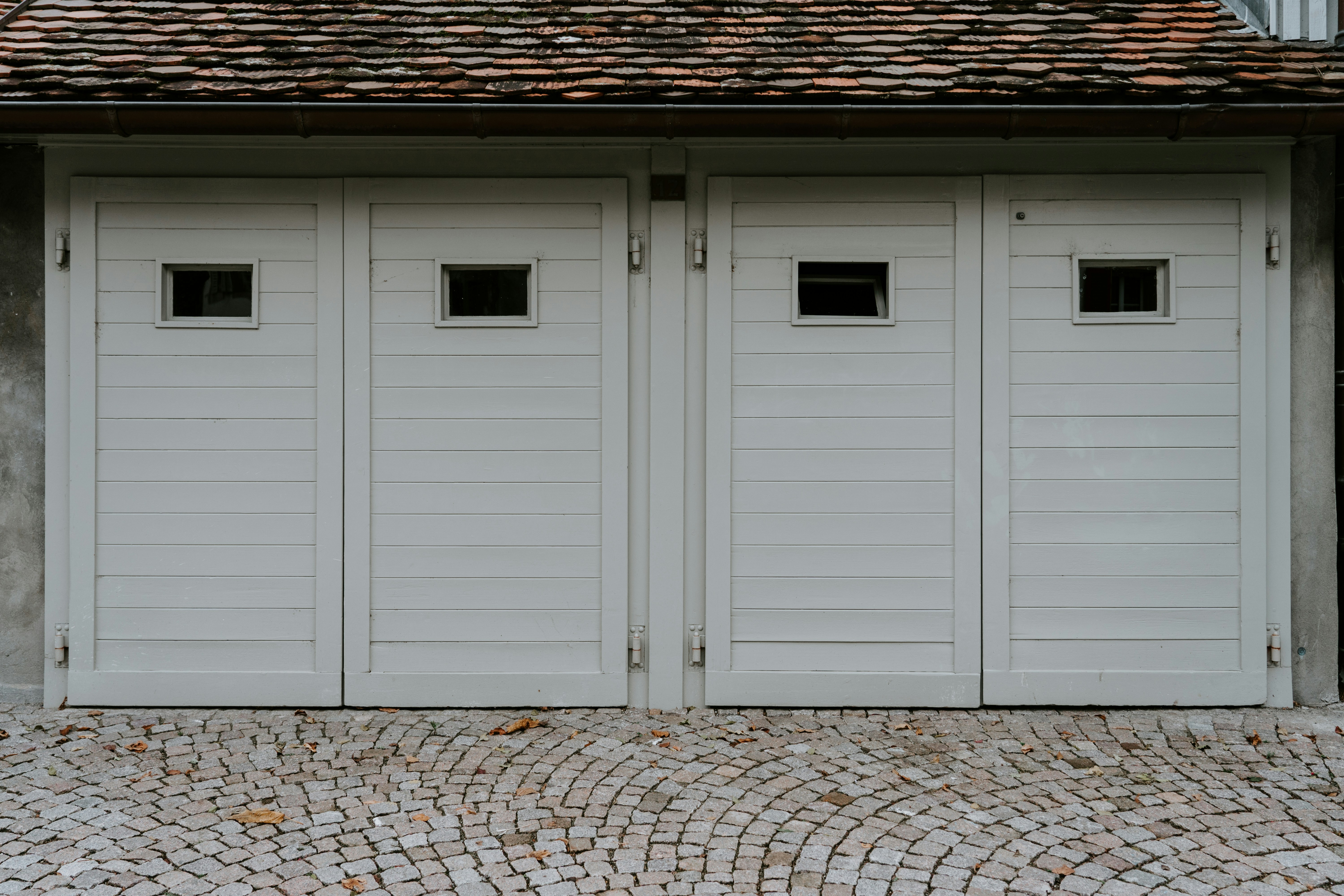
Doors are built in matched sections. A panel that is even slightly off in color or texture stands out at a glance.
Recent damage on a common door style usually means a single panel works. An older or discontinued door makes matching harder, and when the cost of chasing a match equals a new door, full replacement may be the smarter call.
Greater Cleveland Homeowners We Have Helped
             Posted on Google        Michael Kesegich     Trustindex verifies that the original source of the review is Google. Replace spring and drums as well as installing a new keypad. Tidied up after themselves very friendly arrived on time very knowledgeable showed me all of his work. I would definitely recommend using the service..         Posted on Google        Albertha P Burkett Jones     Trustindex verifies that the original source of the review is Google. He came to my house and replaced my garage door springs I will recommend on you thank you         Posted on Google        Victoria Moore     Trustindex verifies that the original source of the review is Google. The gentlemen came to repair my garage door and he was pleasant and professional. My garage opener is performing excellent.         Posted on Google        Elijah Nawrot     Trustindex verifies that the original source of the review is Google. Great service. They came out quickly, fixed my garage door, and explained everything clearly. Super friendly and professional. Definitely recommend Procare Garage Door Repair in Medina.         Posted on Google        Kathy Lathwell     Trustindex verifies that the original source of the review is Google. Called them at noon and they were here before 2:00. Thoroughly explained the process to identify the problem. Replaced the remotes which was the easiest fix. Very satisfied!         Posted on Google        Brian Orwick     Trustindex verifies that the original source of the review is Google. Very quick response, great communication, and great work! Would recommend!         Posted on Google        alex castillo     Trustindex verifies that the original source of the review is Google. Overall great experience. I called in the morning and a few hours later the technician was already working on our garage door. Jacob did a great job explaining the problem and giving us choices on how to fix the problem.         Posted on Google        Kateryna Castro     Trustindex verifies that the original source of the review is Google. Excellent work done, the garage was fixed for a good price and the communication was great. Would highly recommend!         Posted on Google        Tony Olbrys     Trustindex verifies that the original source of the review is Google. Ben
replaced the springs and drums the service was great and a job was done right and I'm very pleased         Posted on Google        Justin Reeder     Trustindex verifies that the original source of the review is Google. Ben did an excellent job replacing our garage spring! They came out same day, price reasonable, warranty awesome. Highly recommend              Verified by Trustindex  Trustindex verified badge is the Universal Symbol of Trust. Only the greatest companies can get the verified badge who has a review score above 4.5, based on customer reviews over the past 12 months. Read more
Questions We Hear Before Every Job
How much does garage door panel replacement cost?
A single panel replacement typically runs from about $250 to $1,000 including labor, depending on the panel material, insulation, and how easy it is to match to your existing door. Minor cosmetic dents usually land toward the lower end, and structural damage that bent the frame costs more to put right. We give you a firm number after we see the door in person.
Can you replace just one garage door panel, or do I need a whole new door?
Sometimes a single panel swap works perfectly. Other times it does not, because the replacement has to match your door’s manufacturer, style, color, and insulation value, and older or discontinued styles are not always available. We will tell you honestly which situation you are in before we recommend anything.
Will a replacement panel match the rest of my garage door?
It depends on how common your door’s style is and how long ago it was made. Recent damage on a popular, current model usually matches well. Doors that are older, weathered, or from a discontinued line are harder to match exactly, and a slightly off panel can stand out more than the dent did. We will be straight with you about what to expect before you spend money on a panel that might not blend in.
How do I know if a dent needs panel replacement or just repair?
Small dings from sports equipment or minor bumps are often fine to leave or can be smoothed out. Replacement usually makes more sense when a dent has bent the panel out of shape, when there are cracks or gaps between panels, when rust has set in, or when the damage is affecting how the door moves or lines up at the hinges. We can usually tell you which category you are in over the phone, then confirm in person.
How long does garage door panel replacement take?
A straightforward single-panel swap usually takes about 1 to 2 hours. Jobs that involve hardware realignment, hinge damage, or a harder-to-source panel can take 2 to 3 hours. We will give you a realistic estimate before we start.
Is it cheaper to replace one panel or the whole garage door?
A single panel is almost always cheaper up front, generally in the $250 to $1,000 range versus the cost of a full door. But if your door is older or your style is discontinued, the cost and hassle of chasing down a matching panel can close that gap fast. We will lay out both options with real numbers so you can make the call with full information, not guesswork.
Services That Often Come Up Alongside Panel Damage
Off-Track Repair
Hard impacts that crack or dent a panel often knock the door off its track at the same time. We check both whenever one shows up.
Learn More
New Door Installation
If matching a single panel does not make sense for your door, a full replacement can be the more practical and better-looking choice. We will help you weigh that honestly.
Learn More
Garage Door Tune-Up
Once the panel is sorted, a full system check makes sure the rest of the door is in good shape too.
Learn More
Got a Dent or Cracked Panel?
Call and we will give you a straight read on whether a single panel makes sense for your door or whether a full replacement is the smarter move. No pressure either way.